Forgive me for nerding out, it’s the engineer in me. For those that are tasting chemicals when you light your pipe, this might help.
For combustion to occur you need three items: oxygen, fuel (tobacco), and a heat source (matches, lighter, lit pasta, etc.). It sounds like some of you are trying to suck start a Harley.
The temperature range that matters
Most pipe tobaccos begin to pyrolyze and smolder (the chemical breakdown that produces smoke) at roughly:
- ~200–250°C (390–480°F): onset of pyrolysis
- ~300–400°C (570–750°F): stable smoldering combustion
That’s all it takes for the initial light. You’re not igniting the bowl like a campfire—you’re just getting the surface layers hot enough to start controlled breakdown.
For perspective:
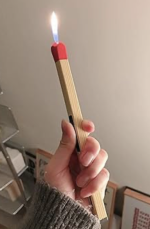
- A match flame is ~600–800°F at the tip
- A zippo flame is -800°F
- A butane lighter is ~1,900°F at the flame core
So yes—both are vastly hotter than necessary, which is why technique matters more than tool.
What actually lights the tobacco
Pipe tobacco doesn’t “burn” like paper. It:
- Dries at the surface (moisture boils off ~100°C)
- Pyrolyzes (sugars, cellulose, and oils break down)
- Smolders as oxygen feeds the ember
That’s why a proper charring light works—it raises the top layer just into that ~300°C zone without overheating the bowl.
Why overheating ruins a smoke
Once the ember creeps past ~450–500°C, bad things happen:
- Sugars scorch → bitterness
- Proteins degrade → tongue bite
- Bowl temp rises → wet, acrid smoke
This is why aggressive lighting or deep flame insertion wrecks flavor—even though the tobacco “lights.”