Lighters vs Matches

Log in

SmokingPipes.com Updates

Watch for Updates Twice a Week

PipesMagazine Approved Sponsor

PipesMagazine Approved Sponsor

PipesMagazine Approved Sponsor

PipesMagazine Approved Sponsor

PipesMagazine Approved Sponsor

Drucquers Banner

SlowDraw Tex

Lurker
Dec 11, 2025
16
31
I've used matches, butane lighters, and Zippo fuel lighters.

Since I smoke mostly outdoors, The Zippo is what I reach for 90% of the time. However, when using a Zippo, you have to learn to let the initial lighter flare burn down a bit, for a few seconds, before touching flame to leaf. If you don't, you'll get the naptha taste on the charring light.

However, nothing at all wrong with the other two methods at all.
Love
Hello all,
I took up pipe smoking a few months ago and have been enjoying it thoroughly. However I’ve been wondering what people prefer when it comes to lighting, matches or lighters.

I’ve been using matches as they are quite cheap and my friend told me they are superior for pipe smoking but I find I’ve been using a pile of matches every smoke, still getting my loading method down I guess lol, and I was wondering if lighters have some better advantages and if so what would you recommend?

Sorry if this thread already exists.

Picture: my cob on a little stand I made out of some black walnut
Love the stand. Great job!
 

SlowDraw Tex

Lurker
Dec 11, 2025
16
31
Like most of the others in this thread, I agree that it is what you are most comfortable with, and can be a product of what you first used and what works.

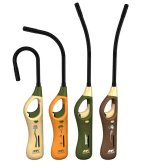
For me, I started smoking pipes with my dad, and we would always smoke outside in the evenings. He would use a safety lighter, which he had for lighting the barbecue. They always work for me and you don’t have to worry about wind and burning your fingers.
IMG_0577.jpegThen my wife introduced me to the candle lighter version, which is similar but has a shorter extension. I really like them as it also produces a soft flame and keeps from burning the fingers.
IMG_0578.jpeg
 

SonofaMac

Lurker
Dec 28, 2025
4
5
33
East Coast USA
I use a Zippo with a pipe insert, and that's been working like a charm. You need to let the wick burn for three to five seconds before lighting your pipe, if you don't like the taste of lighter fluid. I still use matches from time to time but I find them unreliable since I can't use them during winter or autumn, here in Québec.
Now this is a tip I’ll be remembering. I’d guess this same method would count for those “forever matches” as well since it’s the same thing more or less.

Had a customer back in my smoke shop days who would only smoke with a hemp wic by lighting it first and then using it in order to reduce the “butane taste” they described. Was debating trying this out with my pipe, and might still - for science - but from what I gather from your comment, it sounds like kerosene removes that need as long as you’re willing to wait a couple seconds.
 

SpuddsBuckley

Starting to Get Obsessed
Nov 26, 2024
140
319
New Jersey
Matches are the cleanest light. I use matches exclusively. Take a brand new pipe that you've never smoked from, drop a lighter into the empty bowl and take a few draws, as if you were lighting your tobacco. Do this with a butane lighter and with a kerosene wick lighter. Enjoy the pleasant chemical flavors of butane gas and lighter fluid? If you don't want that in your tobacco, go with paper or wooden matches. You can get 50 matchbooks (1000 matches) on Amazon for like $7.
 

Gabes

Lurker
Jan 9, 2019
31
68
Old Boy style lighters indoors, bics and zippos outdoors for me.

A fellow pipesmoker advocated for imcos instead of zippos for windy outdoors 🤔
 

ssjones

Moderator
Staff member
May 11, 2011
20,067
15,852
Covington, Louisiana
postimg.cc
Moving from a butane Zippo to wooden matches (Strike on Box) was the secret sauce for me. After a few weeks, I discovered that I had banished tongue bite. With the lighter flame, I was scorching my tobacco. With the match, I was only getting it smoldering.
At first, I was going thru 20 matches per bowl. But, after a few months, I became pretty adept. Now I can light a bowl with a match outdoors with a breeze.
I still bring a lighter for really windy days, but 99% of my bowls are match lit. I do have glass pipe ashtrays on both porches, in the sunroom and garage. Sometimes I forget to dump them, which is a sure fire way to anger Mrs. Jones.
Practice makes perfect with the match. I did score several boxes of "Strike Anywhere" matches down here at a old time hardware store.
 

SlowDraw Tex

Lurker
Dec 11, 2025
16
31
I keep reading that matches are cleaner, but the chemicals that allow them to combust when they are struck is much dirtier that pure butane. If you wait long enough for them to burn off the chemicals you’re risking charred nubs. I still maintain butane lighters are the cleanest.

Ranked from cleanest to dirtiest (used properly):
  1. Quality butane lighter
  2. Wooden matches (allowed to burn off first)
  3. Liquid fuel lighters

It’s gotta be true, I read it on the Interwebs!
 

SlowDraw Tex

Lurker
Dec 11, 2025
16
31
Moving from a butane Zippo to wooden matches (Strike on Box) was the secret sauce for me. After a few weeks, I discovered that I had banished tongue bite. With the lighter flame, I was scorching my tobacco. With the match, I was only getting it smoldering.
At first, I was going thru 20 matches per bowl. But, after a few months, I became pretty adept. Now I can light a bowl with a match outdoors with a breeze.
I still bring a lighter for really windy days, but 99% of my bowls are match lit. I do have glass pipe ashtrays on both porches, in the sunroom and garage. Sometimes I forget to dump them, which is a sure fire way to anger Mrs. Jones.
Practice makes perfect with the match. I did score several boxes of "Strike Anywhere" matches down here at an old time hardware store.
Secret sauce 🤣🤣🤣
 

SpuddsBuckley

Starting to Get Obsessed
Nov 26, 2024
140
319
New Jersey
I keep reading that matches are cleaner, but the chemicals that allow them to combust when they are struck is much dirtier that pure butane. If you wait long enough for them to burn off the chemicals you’re risking charred nubs. I still maintain butane lighters are the cleanest.

Ranked from cleanest to dirtiest (used properly):
  1. Quality butane lighter
  2. Wooden matches (allowed to burn off first)
  3. Liquid fuel lighters

It’s gotta be true, I read it on the Interwebs!
You let the sulfur at the top burn off for a couple seconds before bringing it to your pipe.
 

PApiper63

Starting to Get Obsessed
Apr 13, 2024
178
914
Ever use them zippo inserts that’s for lighting a pipe? I see them every once in a while, was wondering if it’s more of a gimmick. View attachment 440992
Admittedly, I smoke too much. At least six bowls a day. In all of my years of pipe smoking I have used about every available lighter. In the last six years or so, I have started only using a zippo with the pipe insert. Inside, outside or a high winds it lights every time. I start my day by giving it a few squirts of lighter fluid and I'm good for the day. I've had the same zippos for at least 10 years. They were gifts from my kids. I never understood the problem with the taste of the lighter fluid. I let it burn off a few seconds and if I do taste anything, it goes away in a matter of seconds.
 

SlowDraw Tex

Lurker
Dec 11, 2025
16
31
Forgive me for nerding out, it’s the engineer in me. For those that are tasting chemicals when you light your pipe, this might help.

For combustion to occur you need three items: oxygen, fuel (tobacco), and a heat source (matches, lighter, lit pasta, etc.). It sounds like some of you are trying to suck start a Harley.

The temperature range that matters

Most pipe tobaccos begin to pyrolyze and smolder (the chemical breakdown that produces smoke) at roughly:
  • ~200–250°C (390–480°F): onset of pyrolysis
  • ~300–400°C (570–750°F): stable smoldering combustion
That’s all it takes for the initial light. You’re not igniting the bowl like a campfire—you’re just getting the surface layers hot enough to start controlled breakdown.

For perspective:
  • A match flame is ~600–800°F at the tip
  • A zippo flame is -800°F
  • A butane lighter is ~1,900°F at the flame core
So yes—both are vastly hotter than necessary, which is why technique matters more than tool.

What actually lights the tobacco

Pipe tobacco doesn’t “burn” like paper. It:
  1. Dries at the surface (moisture boils off ~100°C)
  2. Pyrolyzes (sugars, cellulose, and oils break down)
  3. Smolders as oxygen feeds the ember
That’s why a proper charring light works—it raises the top layer just into that ~300°C zone without overheating the bowl.

Why overheating ruins a smoke

Once the ember creeps past ~450–500°C, bad things happen:
  • Sugars scorch → bitterness
  • Proteins degrade → tongue bite
  • Bowl temp rises → wet, acrid smoke
This is why aggressive lighting or deep flame insertion wrecks flavor—even though the tobacco “lights.”

 

SonofaMac

Lurker
Dec 28, 2025
4
5
33
East Coast USA
Forgive me for nerding out, it’s the engineer in me. For those that are tasting chemicals when you light your pipe, this might help.

For combustion to occur you need three items: oxygen, fuel (tobacco), and a heat source (matches, lighter, lit pasta, etc.). It sounds like some of you are trying to suck start a Harley.

The temperature range that matters

Most pipe tobaccos begin to pyrolyze and smolder (the chemical breakdown that produces smoke) at roughly:
  • ~200–250°C (390–480°F): onset of pyrolysis
  • ~300–400°C (570–750°F): stable smoldering combustion
That’s all it takes for the initial light. You’re not igniting the bowl like a campfire—you’re just getting the surface layers hot enough to start controlled breakdown.

For perspective:
  • A match flame is ~600–800°F at the tip
  • A zippo flame is -800°F
  • A butane lighter is ~1,900°F at the flame core
So yes—both are vastly hotter than necessary, which is why technique matters more than tool.

What actually lights the tobacco

Pipe tobacco doesn’t “burn” like paper. It:
  1. Dries at the surface (moisture boils off ~100°C)
  2. Pyrolyzes (sugars, cellulose, and oils break down)
  3. Smolders as oxygen feeds the ember
That’s why a proper charring light works—it raises the top layer just into that ~300°C zone without overheating the bowl.

Why overheating ruins a smoke

Once the ember creeps past ~450–500°C, bad things happen:
  • Sugars scorch → bitterness
  • Proteins degrade → tongue bite
  • Bowl temp rises → wet, acrid smoke
This is why aggressive lighting or deep flame insertion wrecks flavor—even though the tobacco “lights.”
This is the kind of “nerding out” I’m here for.
To me, understanding the “why” behind anything helps me to better practice technique. Same with a lot of areas of life even outside of pipe smoking. Thanks for taking the time to write this all out
 

georged

Lifer
Mar 7, 2013
6,882
20,069
Forgive me for nerding out, it’s the engineer in me. For those that are tasting chemicals when you light your pipe, this might help.

For combustion to occur you need three items: oxygen, fuel (tobacco), and a heat source (matches, lighter, lit pasta, etc.). It sounds like some of you are trying to suck start a Harley.

The temperature range that matters

Most pipe tobaccos begin to pyrolyze and smolder (the chemical breakdown that produces smoke) at roughly:
  • ~200–250°C (390–480°F): onset of pyrolysis
  • ~300–400°C (570–750°F): stable smoldering combustion
That’s all it takes for the initial light. You’re not igniting the bowl like a campfire—you’re just getting the surface layers hot enough to start controlled breakdown.

For perspective:
  • A match flame is ~600–800°F at the tip
  • A zippo flame is -800°F
  • A butane lighter is ~1,900°F at the flame core
So yes—both are vastly hotter than necessary, which is why technique matters more than tool.

What actually lights the tobacco

Pipe tobacco doesn’t “burn” like paper. It:
  1. Dries at the surface (moisture boils off ~100°C)
  2. Pyrolyzes (sugars, cellulose, and oils break down)
  3. Smolders as oxygen feeds the ember
That’s why a proper charring light works—it raises the top layer just into that ~300°C zone without overheating the bowl.

Why overheating ruins a smoke

Once the ember creeps past ~450–500°C, bad things happen:
  • Sugars scorch → bitterness
  • Proteins degrade → tongue bite
  • Bowl temp rises → wet, acrid smoke
This is why aggressive lighting or deep flame insertion wrecks flavor—even though the tobacco “lights.”



You and Ashdigger would have one helluva lunch conversation.


Screenshot 2025-12-31 at 11.33.05 AM.png
 

mingc

Lifer
Jun 20, 2019
4,528
13,363
The Big Rock Candy Mountains
Forgive me for nerding out, it’s the engineer in me. For those that are tasting chemicals when you light your pipe, this might help.

For combustion to occur you need three items: oxygen, fuel (tobacco), and a heat source (matches, lighter, lit pasta, etc.). It sounds like some of you are trying to suck start a Harley.

The temperature range that matters

Most pipe tobaccos begin to pyrolyze and smolder (the chemical breakdown that produces smoke) at roughly:
  • ~200–250°C (390–480°F): onset of pyrolysis
  • ~300–400°C (570–750°F): stable smoldering combustion
That’s all it takes for the initial light. You’re not igniting the bowl like a campfire—you’re just getting the surface layers hot enough to start controlled breakdown.

For perspective:
  • A match flame is ~600–800°F at the tip
  • A zippo flame is -800°F
  • A butane lighter is ~1,900°F at the flame core
So yes—both are vastly hotter than necessary, which is why technique matters more than tool.

What actually lights the tobacco

Pipe tobacco doesn’t “burn” like paper. It:
  1. Dries at the surface (moisture boils off ~100°C)
  2. Pyrolyzes (sugars, cellulose, and oils break down)
  3. Smolders as oxygen feeds the ember
That’s why a proper charring light works—it raises the top layer just into that ~300°C zone without overheating the bowl.

Why overheating ruins a smoke

Once the ember creeps past ~450–500°C, bad things happen:
  • Sugars scorch → bitterness
  • Proteins degrade → tongue bite
  • Bowl temp rises → wet, acrid smoke
This is why aggressive lighting or deep flame insertion wrecks flavor—even though the tobacco “lights.”
I think you're telling us that we need pipes with built-in thermometers. 🤔