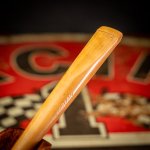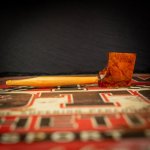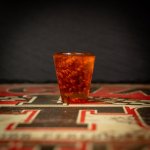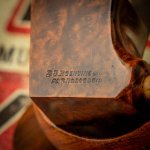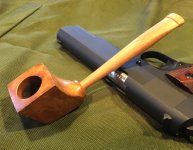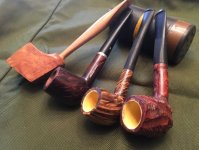






Here is a link to the thread with before photos and a bit of research on the pipes(patents, photos etc.):
I Just Got 2x 82 Years Old American Pipes From German eBay :: General Pipe Smoking Discussion - https://pipesmagazine.com/forums/threads/i-just-got-2x-82-years-old-american-pipes-from-german-ebay.109866/
Before photo: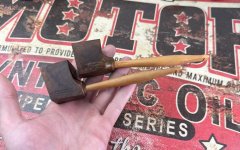 I am just fascinated by these two pipes! They are both very old and very unique in my opinion. I love that I managed to find so much information on them and that they were pipes made to support the war efforts in Europe, which by itself I find interesting, especially because they were bought in Germany. This probably meant that they were not just surplus but were actually shipped to the fronts.
Let's add to all that , the fact that I am very certain they are unsmoked! At first when I saw multiple dings, scratches and all kinds of damage I didn't notice it, but when started cleaning them I only found dust and raw wood with splinters from machining and all and absolutely no smells or residues. The bowl is dark on the inside but that was maybe some type of coating and not a carbon layer, at this point if the pipe was smoked even once the rest would have looked differently.
I tend to have a very personal and individual approach for my restorations, depending on the pipe. For these two I decided not to try to make them look as brand new, because I could see the future owner have them in their collection and put value on their rich history, not their smoking performance and maybe not smoke them at all or like once per year.
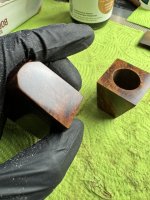
With this in mind, I took it upon myself not to do any major permanent repairs for now. I started by steaming all dents I could see , so I could minimize the sanding that needed to be done. It worked surprisingly well and allowed me to skip the 240 sandpaper that I would normally have to use to get rid of some of the deeper dents and went through grids 400 and 600(going around the stamped text), finishing with 1000, gently passing through the text, just to take off the top shine.
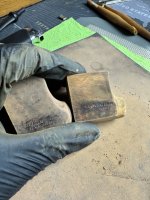
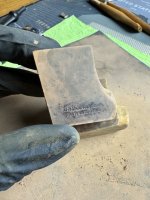
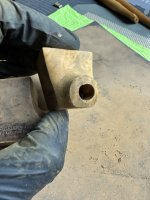
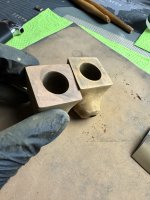

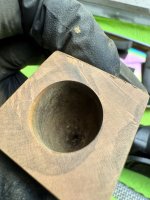
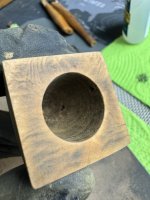
Up until this point everything went as expected, until decided to wipe the dust with some cotton pads and alcohol - the wood sucked up all of the alcohol immediately stayed matt.. normal briar would turn very shiny and wet for a couple of seconds and then dry out.
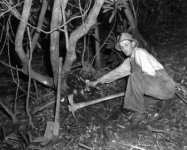
I was starting to get suspicious since we figured out that they didn't use real briar on all the pipes when they had supply problems and I started digging again on google. I found the patent they had and it turns out they did their boiling in boric acid solution not just to make briar more heat resistant, but also to reduce the toxicity of the poisonous rhododendron and mountain laurel burls they used in manufacturing. I even found a photo of them digging up the burls:
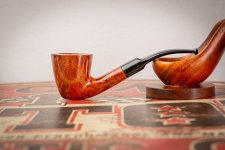
I also decided to retain the pipes because on of them had pretty patchy stain already. I went with my lightest leather dye, which normally gives me this kind of a result:
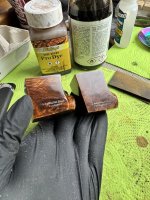
As soon as I started applying it, things got weird fast! First of all, I had to use 4 times the amount I normally use just to cover the somewhat small pipe once and it didn't feel like I was painting it on and maybe get a couple of leaks, no it felt like I was drawing with a sharpie, if that makes any sense... The fully soaked pipe cleaner would just leave multiple thin lines and I had go over the same spot 5 or 6 times to completely cover it. The biggest surprise though, came when I was finished with the stain - I was left with a very dark finish and basically a contrast stain effect, which should have never happened with this light of a dye. the Lorenzetti pipe above got its color from 3 or 4 layers, sealed in with fire in between...
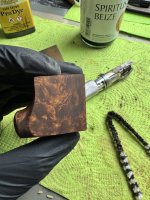
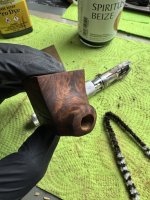
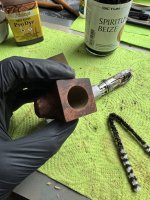
You can see in the background that I had the dark brown ready for the pipe with the patchy previous stain, but thank god I decided. to try the lighter dye first.
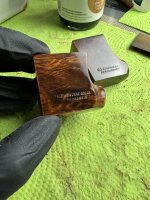
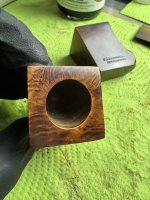
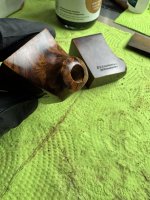
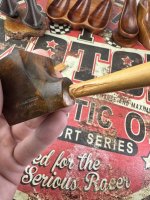
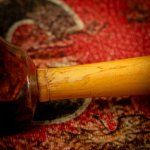
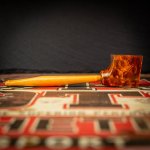
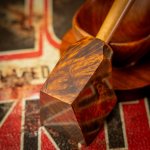
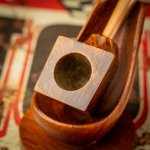
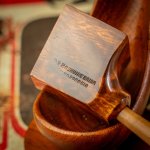
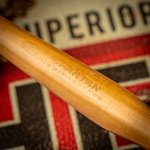
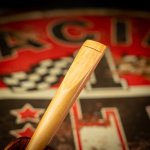
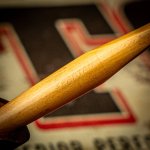
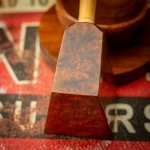
Next came buffing, polishing and waxing - here the wood being so porous and soft made the process very fast and easy and the results speak for themselves. You can also see some of the "battle scars" I decide to leave in.
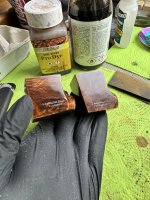
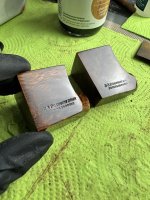
And I just hit the 15 photos limit, so lets move underneath for part 2...
I Just Got 2x 82 Years Old American Pipes From German eBay :: General Pipe Smoking Discussion - https://pipesmagazine.com/forums/threads/i-just-got-2x-82-years-old-american-pipes-from-german-ebay.109866/
Before photo:
I am just fascinated by these two pipes! They are both very old and very unique in my opinion. I love that I managed to find so much information on them and that they were pipes made to support the war efforts in Europe, which by itself I find interesting, especially because they were bought in Germany. This probably meant that they were not just surplus but were actually shipped to the fronts.Let's add to all that , the fact that I am very certain they are unsmoked! At first when I saw multiple dings, scratches and all kinds of damage I didn't notice it, but when started cleaning them I only found dust and raw wood with splinters from machining and all and absolutely no smells or residues. The bowl is dark on the inside but that was maybe some type of coating and not a carbon layer, at this point if the pipe was smoked even once the rest would have looked differently.
I tend to have a very personal and individual approach for my restorations, depending on the pipe. For these two I decided not to try to make them look as brand new, because I could see the future owner have them in their collection and put value on their rich history, not their smoking performance and maybe not smoke them at all or like once per year.
With this in mind, I took it upon myself not to do any major permanent repairs for now. I started by steaming all dents I could see , so I could minimize the sanding that needed to be done. It worked surprisingly well and allowed me to skip the 240 sandpaper that I would normally have to use to get rid of some of the deeper dents and went through grids 400 and 600(going around the stamped text), finishing with 1000, gently passing through the text, just to take off the top shine.
Up until this point everything went as expected, until decided to wipe the dust with some cotton pads and alcohol - the wood sucked up all of the alcohol immediately stayed matt.. normal briar would turn very shiny and wet for a couple of seconds and then dry out.
I was starting to get suspicious since we figured out that they didn't use real briar on all the pipes when they had supply problems and I started digging again on google. I found the patent they had and it turns out they did their boiling in boric acid solution not just to make briar more heat resistant, but also to reduce the toxicity of the poisonous rhododendron and mountain laurel burls they used in manufacturing. I even found a photo of them digging up the burls:
I also decided to retain the pipes because on of them had pretty patchy stain already. I went with my lightest leather dye, which normally gives me this kind of a result:
As soon as I started applying it, things got weird fast! First of all, I had to use 4 times the amount I normally use just to cover the somewhat small pipe once and it didn't feel like I was painting it on and maybe get a couple of leaks, no it felt like I was drawing with a sharpie, if that makes any sense... The fully soaked pipe cleaner would just leave multiple thin lines and I had go over the same spot 5 or 6 times to completely cover it. The biggest surprise though, came when I was finished with the stain - I was left with a very dark finish and basically a contrast stain effect, which should have never happened with this light of a dye. the Lorenzetti pipe above got its color from 3 or 4 layers, sealed in with fire in between...
You can see in the background that I had the dark brown ready for the pipe with the patchy previous stain, but thank god I decided. to try the lighter dye first.
Next came buffing, polishing and waxing - here the wood being so porous and soft made the process very fast and easy and the results speak for themselves. You can also see some of the "battle scars" I decide to leave in.
And I just hit the 15 photos limit, so lets move underneath for part 2...